Welcome to JIECHENG



Leave Your Message
Welcome to JIECHENG
These days, with energy efficiency being such a big deal, more and more companies are realizing how important it is to choose the right Industrial Insulation solutions. I mean, did you know that the US Department of Energy says good insulation can boost energy performance by as much as 20%? That’s a pretty huge deal when it comes to saving money. It really makes you stop and think—maybe it’s time for industries to take a fresh look at how they’re handling insulation.
I spoke with John Smith from Thermal Industries, and he mentioned, ‘Investing in the right Industrial Insulation Solutions doesn’t just cut costs—it actually improves how well systems work.’ It’s clear that folks are starting to recognize how insulation has that double benefit. But here’s the catch—so many organizations tend to forget about regular check-ups on their Insulation Systems. And over time, insulation can wear out or get damaged, which can lead to serious energy waste.
In fact, there was a recent study showing that up to 30% of energy can be lost because of poor insulation. That’s a ton of wasted energy and money! So, honestly, companies really need to pause and think about their current insulation practices. Switching to more advanced industrial insulation solutions could be a smart move to improve energy efficiency and cut down on waste.
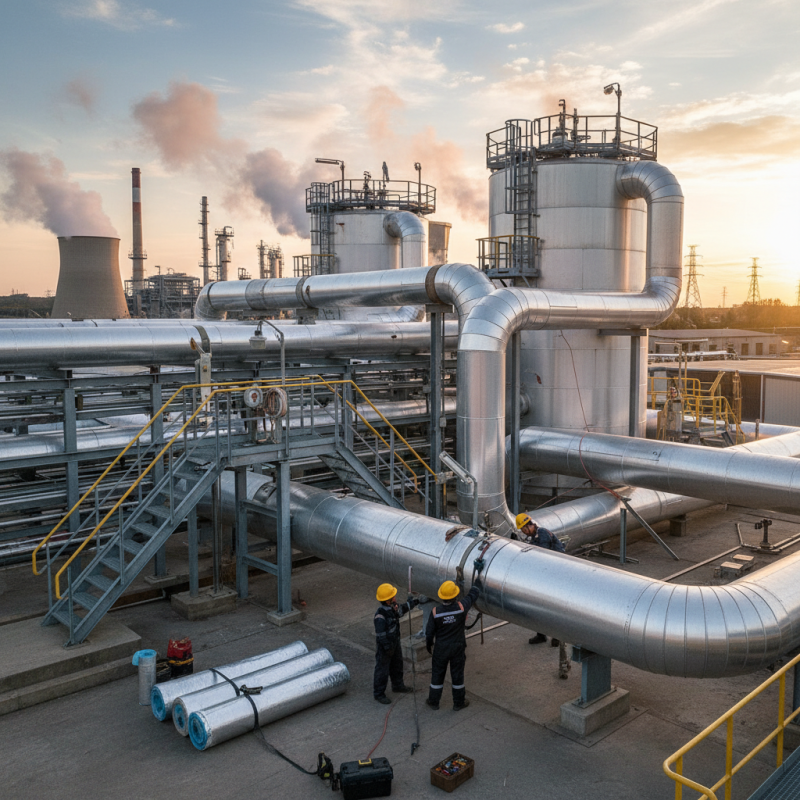
Industrial insulation solutions play a crucial role in enhancing energy efficiency. By minimizing heat loss and heat gain, they significantly lower energy consumption. For instance, a well-insulated facility can reduce operational costs considerably. Employees notice more consistent temperatures, leading to higher comfort levels. However, many industries still overlook insulation, missing potential savings.
Investing in Insulation Materials can yield substantial benefits. Effective insulation reduces the workload on heating and cooling systems. This not only saves energy but also extends equipment life. In contrast, poorly insulated facilities often face higher energy bills. It’s common for businesses to underestimate how insulation affects overall performance. As a result, they may not prioritize insulation upgrades.
Besides cost savings, insulation enhances safety. It helps prevent condensation, which can lead to mold growth. Additionally, it minimizes the risk of fire hazards in certain industrial settings. The challenge lies in selecting the right type of insulation. Each facility is unique, and a one-size-fits-all approach doesn't apply. Regular evaluations are necessary to identify insulation needs.
Industrial insulation solutions play a crucial role in enhancing energy efficiency. Several types of materials offer unique advantages. FiberGlass Insulation is popular due to its lightweight and non-combustible nature. It effectively minimizes heat loss and is easy to install. Mineral wool, on the other hand, is dense and provides both thermal and acoustic insulation. Its resistance to fire makes it an ideal choice for many facilities.
Another notable option is foam board insulation. This material is rigid, offering superior thermal performance in a compact form. It’s often used in walls and roofs. Yet, it’s essential to consider the environmental impact of these materials. Some synthetic options may not degrade well, posing disposal issues.
Tips: Always measure the insulation space accurately. This ensures you buy the right amount. Also, think about future needs when choosing insulation type. Some materials might not be the best fit down the line.
Budget constraints can lead to poor choices. Skimping on insulation might save money now but can lead to higher energy bills later. Consider the long-term benefits of investing in quality insulation. While it may cost more initially, the efficiency gains are worth it.
Insulation plays a crucial role in reducing energy costs in industrial facilities. According to a report by the U.S. Department of Energy, proper insulation can lower energy bills by up to 30%. This statistic is significant. Many facilities overlook the importance of insulation in their overall energy strategy.
When insulation is installed, it helps maintain the temperature of equipment and spaces. This reduces the workload on heating and cooling systems. For example, poorly insulated pipes can lead to heat loss of 30% or more. Imagine the cost of that wasted energy over time. Companies often fail to recognize how much that adds up.
Additionally, insulation contributes to a more comfortable working environment. This can lead to increased productivity. However, selecting the right materials and installation methods is not straightforward. Some facilities may skimp on quality to save costs upfront. This might lead to greater expenses in the long run. Investing in high-quality insulation solutions pays off. It reduces overall costs and enhances performance.
In industrial settings, insulation plays a vital role in equipment performance. It minimizes heat loss, leading to improved efficiency. According to the U.S. Department of Energy, proper insulation can reduce energy losses by 10-20%. This reduction directly affects equipment longevity and operational costs.
Many facilities still underutilize insulation. A report from the Environmental Protection Agency highlights that around 30% of industrial energy use is wasted. Insufficient insulation can cause overheating and equipment failures. Addressing this issue should be a priority for managers.
Choosing the right insulation can enhance process stability. With effective measures, industries can maintain consistent temperatures. This consistency prevents thermal stress on machinery. The efficiency gained from robust insulation solutions often leads to lower maintenance costs. Moreover, operational downtime can significantly affect productivity. Investing in insulation is investing in a sustainable future for industrial operations.
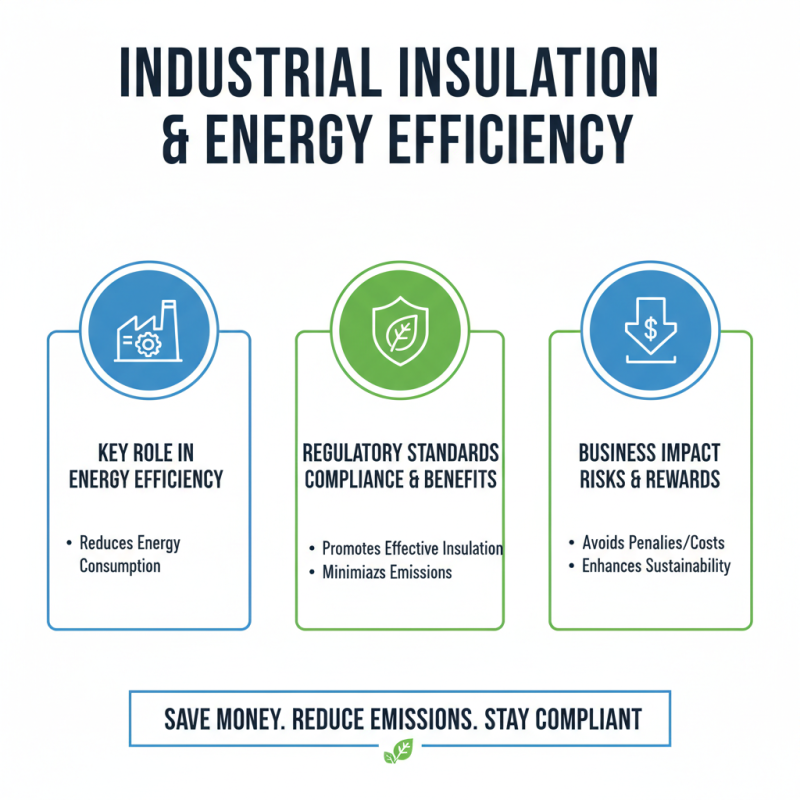
Industrial insulation plays a crucial role in energy efficiency. Regulatory standards are designed to promote effective insulation practices. These guidelines help businesses reduce energy consumption while minimizing emissions. Many companies face pressure to comply with these standards. Failure to do so could lead to penalties and higher operational costs.
Incentives can further motivate industries to invest in insulation solutions. Tax breaks or grants are often available for businesses that enhance their insulation systems. This financial support can make the initial investment more manageable. However, navigating these programs can be challenging. Companies need to stay updated on changing regulations and available incentives.
Tips: Identify your local regulations. Understand what incentives apply to your industry. Consider consulting an expert to avoid pitfalls. A little research can lead to significant savings. Companies should evaluate their current insulation regularly. Regular assessments can reveal areas for improvement and compliance.
Industrial insulation has become a key player in energy efficiency. Numerous case studies highlight its effectiveness. In one project, a manufacturing facility faced excessive heat loss. After installing high-performance insulation, the energy bills dropped by 30%. Workers felt a noticeable difference, too. The space became more comfortable.
Another example is a food processing plant. With proper insulation, they reduced energy consumption significantly. However, there were initial challenges. Installation took longer than expected. Some areas required additional adjustments. This taught the team the importance of planning ahead. But the improvement in energy efficiency made all the effort worth it.
These case studies illustrate the tangible benefits of industrial insulation. The road to energy efficiency is not always smooth. There are lessons learned along the way. Each project brings its own set of challenges. Yet, the positive outcomes often outweigh the difficulties.
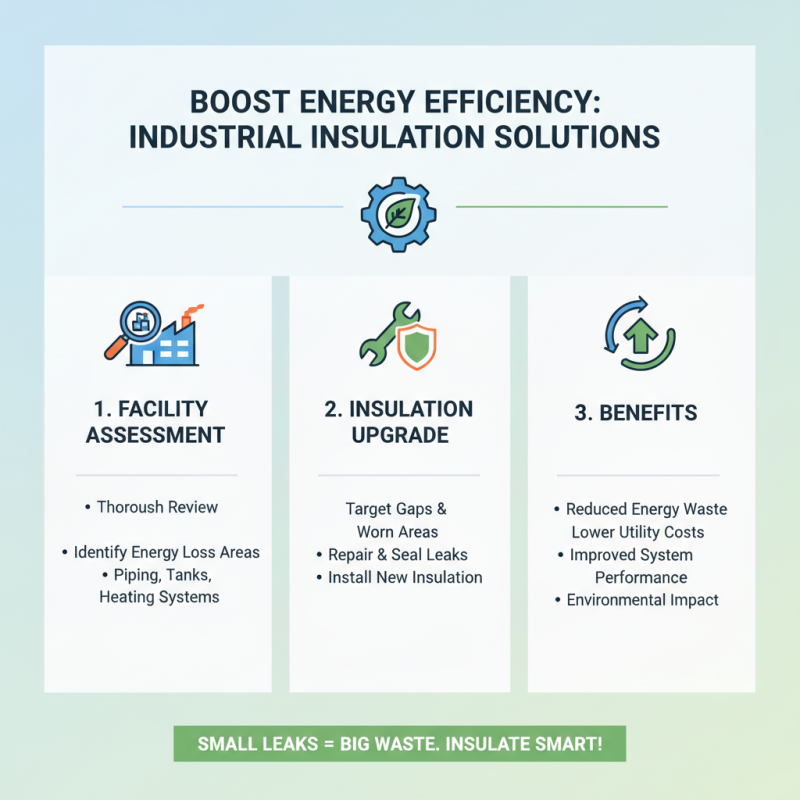
Implementing industrial insulation solutions can greatly enhance energy efficiency. It begins with a thorough assessment of your facility. Identify areas where insulation can reduce energy loss. Look closely at piping, tanks, and heating systems. Pay attention to any gaps or worn areas that may need repair. Remember, even small leaks can lead to significant energy waste.
Tips: Regularly inspect insulation materials for damage. Consider upgrading older insulation for better performance. Choose insulation that matches the specific needs of your processes. This can optimize energy savings.
Training staff is crucial. Proper handling and installation techniques are essential for effective insulation. Encourage your team to raise any concerns during installation. Miscommunication can lead to poor insulation performance. It’s essential to have clear channels for feedback. Ultimately, the goal is to create a tighter, more efficient energy system that benefits everyone involved.
The demand for efficient energy solutions in the industrial sector has sparked significant interest in anti-corrosion removable insulation jackets, particularly due to their superior properties and benefits. These jackets operate effectively across a broad temperature range of -70°C to 1000°C, catering to various industrial applications. With thermal conductivity values less than 0.035 W/(m·K) at normal temperatures, they provide remarkable insulation capabilities, considerably reducing energy losses and enhancing operational efficiency.
In addition to their thermal properties, these jackets boast impressive material density ranging from 100 to 200 kg/m3, and a thickness of 35mm to 50mm, ensuring robust protection against environmental factors. Their flame retardant performance, classified as A grade non-flammable, ensures safety in high-risk environments. Coupled with outstanding anti-corrosion properties—exhibiting resistance to acids, alkalis, water, and oils—these insulation jackets significantly extend the lifespan of industrial equipment and facilities, with a remarkable durability of over 10 years.
According to industry reports, the utilization of such advanced insulation solutions can lead to a reduction in maintenance costs and downtime, making them an economically viable option for companies in the energy sector. The long-term benefits of adopting anti-corrosion removable insulation jackets are evident as industries strive to improve their overall efficiency and sustainability in an increasingly competitive landscape.
: Mindfulness helps reduce stress and enhances emotional well-being.
You can practice by focusing on your breath for a few minutes.
Mindfulness can benefit most people, but it may not resonate with everyone.
Start with five to ten minutes. Gradually increase as you feel comfortable.
It's normal for thoughts to arise. Gently guide your focus back to your breath.
Yes, regular practice can enhance focus and attention over time.
No special tools are needed. Just a quiet space and your breath.
Mindfulness can lead to lower blood pressure and improved immune function.
Frustration is common. Acknowledge it without judgment and refocus on breathing.
Mindfulness can reduce anxiety levels by promoting relaxation and awareness.
Industrial Insulation Solutions play a crucial role in enhancing energy efficiency within industrial facilities. By utilizing various types of insulation materials, industries can significantly reduce energy costs while simultaneously improving equipment performance. Effective insulation minimizes heat loss or gain, leading to lower energy consumption and improved operational efficiency.
Furthermore, compliance with regulatory standards and taking advantage of available incentives can facilitate the implementation of these solutions. Case studies demonstrate the successful application of industrial insulation in achieving substantial energy savings. Adopting best practices in insulation installation not only boosts energy efficiency but also ensures long-term sustainability and cost-effectiveness for industrial operations.