Welcome to JIECHENG



Leave Your Message
Welcome to JIECHENG
Picking the right Insulation Vendors can really make a big difference when it comes to how smoothly your project goes and how much you end up spending. I came across a report from the American Society of Heating, Refrigerating and Air-Conditioning Engineers (ASHRAE) that said good insulation can save you up to 20% on energy costs. That’s a pretty solid reminder of just how important good insulation is, especially when it comes to being more eco-friendly.
John Smith, who’s pretty much a go-to guy in building materials, always says, “Choosing trustworthy Insulation Vendors is key if you want quality and performance.” Honestly, that hits the nail on the head. A lot of folks tend to overlook who they’re buying from — they get caught up in just comparing prices. But that’s usually where issues start popping up later on when the insulation doesn’t perform as expected.
Plus, the insulation world doesn’t stand still — new tech and innovations pop up all the time. So, it’s really important to pick vendors who are in the know and keep up with the latest. When you’re shopping around, don’t just focus on the price tag; take a look at what the vendor knows about new stuff happening in the industry. Making a choice without doing your homework could end up being pretty costly — it’s one of those decisions you have to think through carefully and stay a bit ahead of the game.

When considering insulation materials, it's crucial to understand their unique characteristics and applications. Fiberglass Insulation is popular for its affordability and versatility. It's effective for thermal insulation and soundproofing. However, it can irritate the skin during installation. Be careful if you choose this type.
Foam board insulation is another option. It offers excellent thermal resistance and is ideal for basements and roofs. The downside? It can be more expensive than other materials. Its rigid structure requires precise cutting, which can lead to waste if not done carefully.
Cellulose insulation, made from recycled paper, is an eco-friendly choice. It has great air sealing properties but can settle over time, reducing its effectiveness. Ensure proper installation to avoid this. Ultimately, each insulation material has benefits and drawbacks. Evaluating your project's specific needs is essential for making the right decision.
When choosing insulation vendors, it’s crucial to evaluate their experience and reputation in the industry. Look for vendors who have been in the business for several years. Longevity often reflects reliability and expertise. A vendor with a proven track record suggests they can handle your project effectively.
Researching online reviews can provide invaluable insights. Customers who had positive or negative experiences often share their stories. If many reviews mention professional service or timely delivery, that’s a good sign. However, pay attention to recurring complaints. These may indicate deeper issues with a vendor.
Ask for case studies or references of past projects. A credible vendor should be willing to share successes. If they hesitate, it might raise a red flag. Transparency in their work can help you gauge their reliability. Ultimately, a thorough evaluation of experience and reputation will lead to better decisions.
When selecting insulation solutions, it's vital to analyze cost versus value. Many vendors offer a wide range of options, each with different price points. A lower price might seem attractive, yet it could compromise quality. It’s essential to consider the lifespan of insulation materials. Cheaper options might need frequent replacements. This can lead to higher long-term costs.
On the other hand, investing in higher-quality insulation might deliver greater energy efficiency. It helps maintain a comfortable indoor temperature. Moreover, better insulation materials provide superior soundproofing and moisture control. However, you might feel hesitant about spending more upfront. It’s important to weigh these factors before concluding. Are you prioritizing short-term savings over long-term benefits?
Sometimes, the choices can feel overwhelming. You might find vendors pushing "Insulation Over Insulation" strategies that don't align with your needs. Listening to their sales pitches is necessary, but trust your instincts. Consider getting multiple quotes, but remember—value is not just about price. Craft a list that includes performance, warranty, and customer service history too. Balancing these elements will lead to a well-informed decision.
| Insulation Type | Average Cost per Square Foot | R-Value | Installation Complexity | Durability (Years) |
|---|---|---|---|---|
| Fiberglass Batt | $0.64 | 2.9 - 4.3 | Easy | 20 |
| Foam Board | $1.50 | 5.0 - 7.0 | Moderate | 30 |
| Spray Foam | $2.00 | 6.0 - 7.0 | Difficult | 80 |
| Cellulose | $1.00 | 3.2 - 4.0 | Moderate | 20 |
| Mineral Wool | $1.35 | 3.7 - 4.5 | Easy | 30 |
When selecting insulation vendors, always check for certifications. This ensures that products meet necessary standards. Different types of insulation exist, like Hot Insulation And Cold Insulation. Reliable vendors provide proof of their adherence to safety and quality regulations.
Certifications vary by region and application. Look for vendors that have relevant certifications for both residential and commercial projects. Ask for documentation and don’t hesitate to seek clarity. Sometimes, vendors may hesitate to show these credentials. This could be a red flag.
Compliance with standards should be non-negotiable. Insulation that doesn't meet guidelines can lead to energy inefficiencies. Such issues can cause frustration and financial loss. Always reflect on the quality of the materials being used. It’s better to invest in certified products than to face the consequences later.
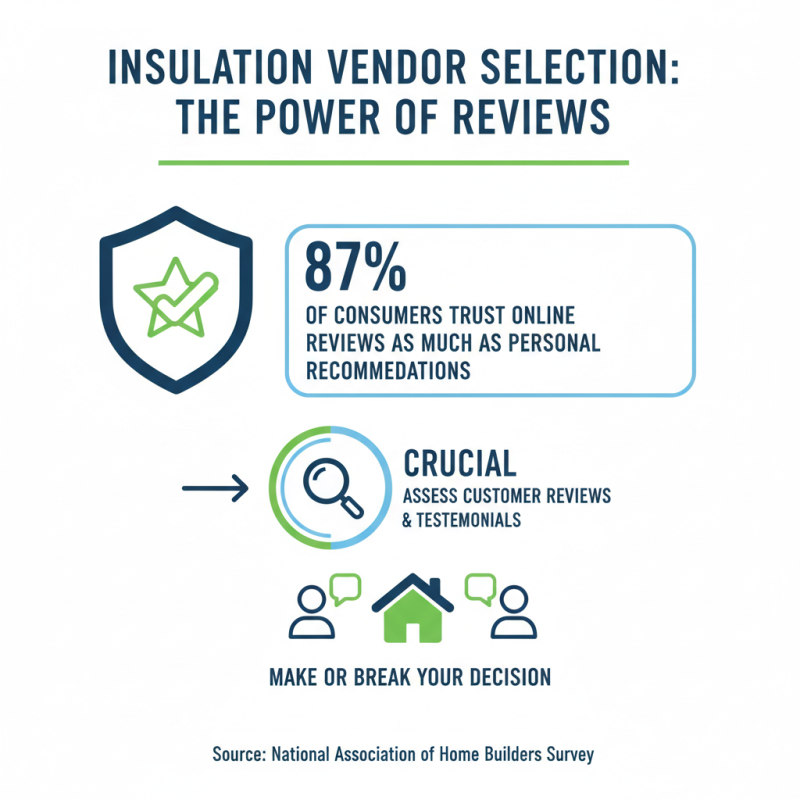
When choosing insulation vendors, assessing customer reviews and testimonials is crucial. A survey from the National Association of Home Builders found that 87% of consumers trust online reviews as much as personal recommendations. This trust can make or break your decision when selecting an insulation vendor.
You should look for detailed reviews that discuss specific projects. Pay attention to comments on the installation process and material quality. For instance, some customers might mention whether the Insulation S was installed properly and how well it performed over time. Look for patterns in feedback. Spotted repetitively negative remarks about punctuality or communication means red flags.
Not every testimonial includes relevant details. Some might sound overly promotional. It’s good to question their authenticity. A mix of positive and negative feedback often signals genuine experiences. In fact, data suggests that a vendor with a 4.5-star rating might still have criticism. Only 25% of customers express complete satisfaction, highlighting the need for careful consideration.
When selecting insulation vendors, customer service is key. Look for companies that prioritize their support options. Effective communication is crucial. A vendor that answers inquiries quickly shows commitment. Consider how easy it is to reach them. Are they available via phone, email, or chat?
Also, evaluate their response times. It can be frustrating to wait days for answers. A reliable vendor will offer timely support. Check if they provide live chat services. Instant communication can alleviate concerns. Investigate their warranty and post-installation support. If issues arise after installation, knowing they are available is vital.
Read reviews to gauge customer satisfaction. Positive feedback often highlights responsive service. A vendor may have quality products, but poor customer support can ruin the experience. Don't underestimate post-sale services. A company with a strong commitment to customer care can turn a bad experience into a good one. Ensure you choose a vendor that aligns with your expectations.
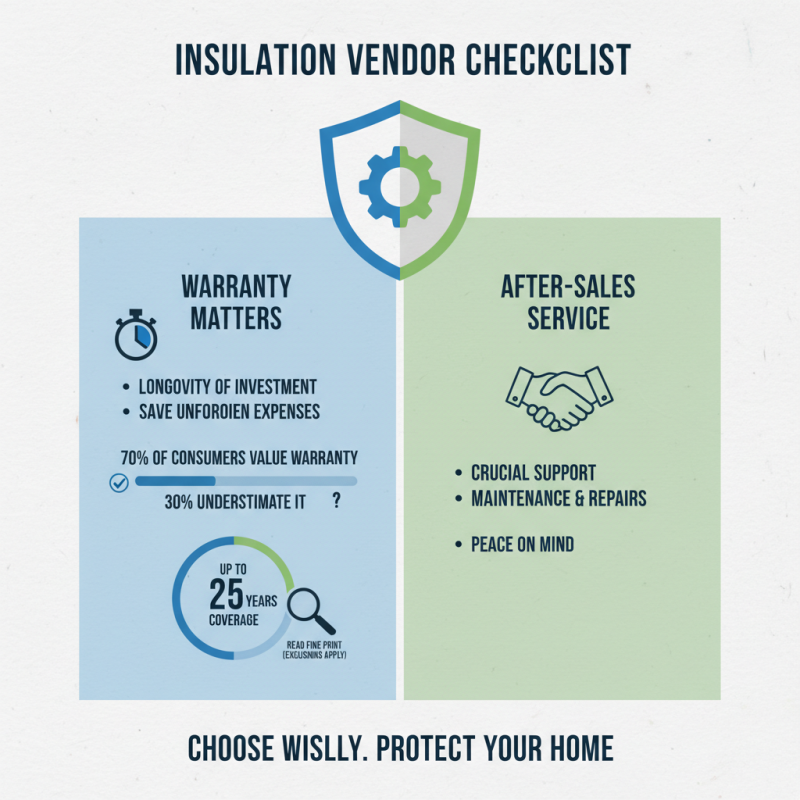
When selecting insulation vendors, it's crucial to consider warranty and after-sales service. These factors can significantly affect the longevity of your insulation investment. According to a recent industry report, around 30% of consumers underestimate the importance of a robust warranty. A strong warranty can save you from unforeseen expenses. Look for vendors offering comprehensive coverage. Some warranties extend up to 25 years, but the fine print often reveals exclusions.
After-sales service is another essential aspect. Reports indicate that only 40% of companies provide satisfactory service after installation. This can lead to frustration if issues arise later. A vendor's responsiveness can directly impact your project's success. Don't hesitate to ask about their support channels. Also, consider how easy it is to contact them post-installation. Many homeowners aren't aware of how crucial ongoing support is.
24 Insulation has shown that proper insulation management requires attention to these details. Your decision should factor in both the quality of the product and the level of support provided. Some projects may not need top-tier service, but remember—investing in quality support can pay off in the long run.
In today's industrial landscape, the focus on energy efficiency and cost savings has become increasingly paramount. Innovative industrial insulation solutions offer a promising avenue for achieving these goals, especially for environments subject to extreme temperatures. With a temperature range of -70°C to 1000°C, such insulation materials provide exceptional adaptability across various applications. The low thermal conductivity of less than 0.035 W/(m·K) at normal temperatures ensures minimal heat loss, enhancing energy sustainability and operational performance.
Moreover, the integration of high-density materials, ranging between 100-200 kg/m3, ensures effective thermal management while maintaining structural integrity. The optimal thickness of 35mm to 50mm not only allows for comprehensive coverage but also contributes to the longevity of the insulation system, with a lifespan of over 10 years. In addition to these thermal advantages, the proposed insulation solutions boast excellent flame retardant performance, classified as A grade non-flammable, along with impressive anti-corrosion properties. These features include resistance to acid, alkali, water, and oil, ensuring that industrial operations remain safe and reliable under challenging conditions.
Embracing such innovative insulation technologies not only leads to significant cost savings but also positions enterprises as stewards of energy efficiency. As industries strive to meet evolving environmental standards and reduce operational expenses, advanced insulation solutions emerge as pivotal contributors to sustainable industrial practices.
: The product aims to enhance your daily experience. It offers convenience and efficiency in various tasks.
Follow the included instructions carefully. Ensure you understand each step for best results. Practice makes perfect.
Yes, it is suitable for outdoor use. However, consider weather conditions before taking it outside.
Regular cleaning is necessary to maintain its functionality. Check for any wear and tear periodically.
Troubleshooting steps are included in the guide. If issues persist, consult a professional for further assistance.
It is designed to be safe but supervision is recommended. Always consider the age and skill level of the child.
A return policy is available. Ensure you understand the terms before making a purchase. Reflect on your decision.
Use a soft cloth and mild detergent. Avoid harsh chemicals to prevent damage. Regular cleaning is encouraged.
You can typically find a digital version online. Consider saving it in an accessible location for future use.
Yes, there are several features that enhance user experience. Explore the product to discover them all.
When selecting insulation vendors, it is essential to understand the various types of insulation materials available and their specific applications. This knowledge helps in making informed decisions that align with your insulation needs. Evaluating vendor experience and their reputation within the industry further aids in ensuring you choose a reliable service provider. Additionally, analyzing the cost versus value of the insulation solutions proposed is crucial to secure a cost-effective choice without compromising quality.
Moreover, checking for certifications and compliance with industry standards is vital for ensuring safety and efficiency. Customer reviews and testimonials offer valuable insights into past experiences, while assessing customer service and support options ensures that assistance is readily available when needed. Lastly, comparing warranty and after-sales service from different insulation vendors provides peace of mind, safeguarding your investment long after the installation is complete.