




Current Situation Analysis and the Need for Improvement
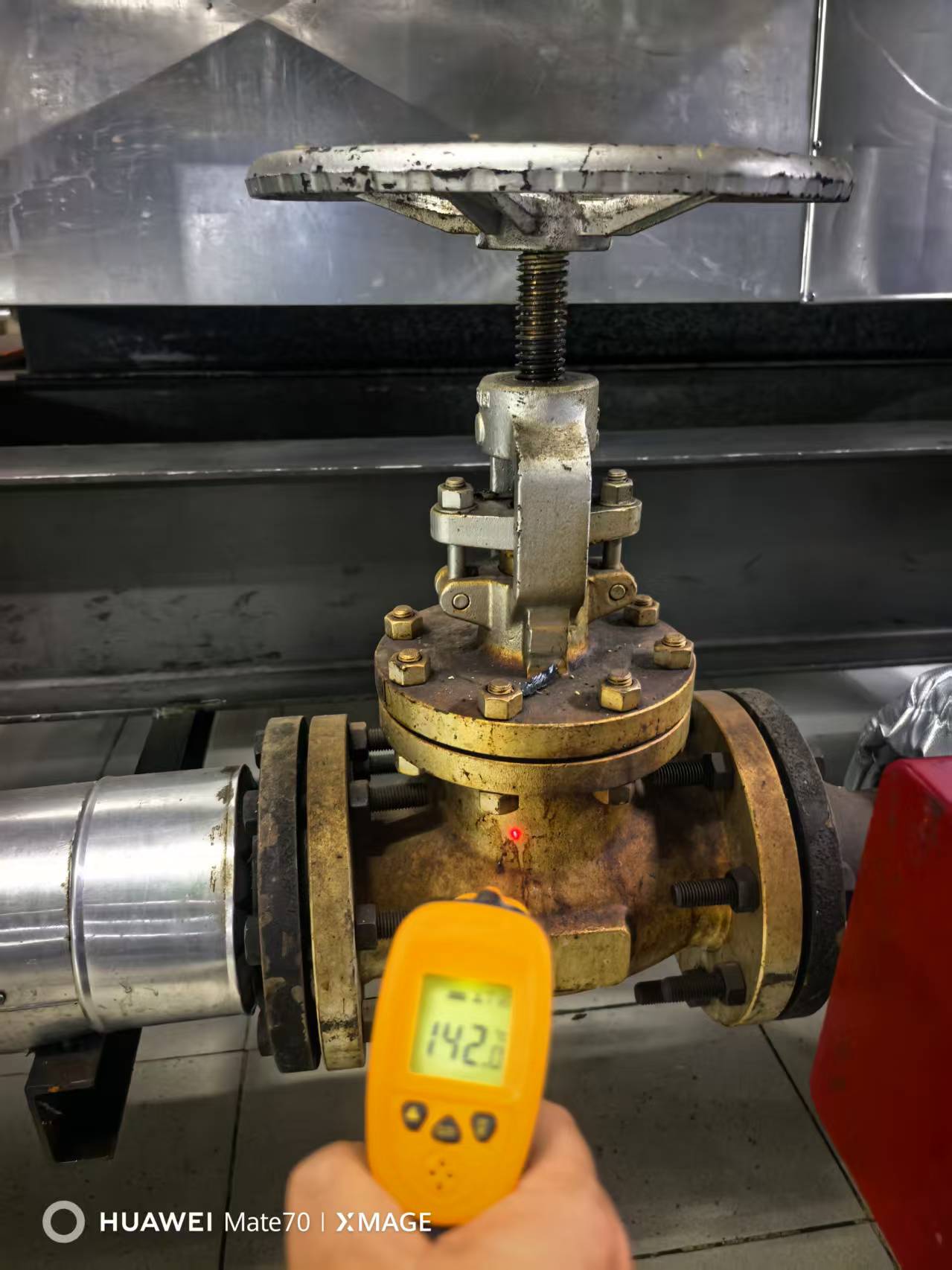
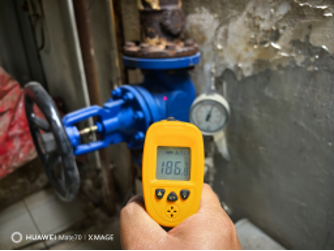
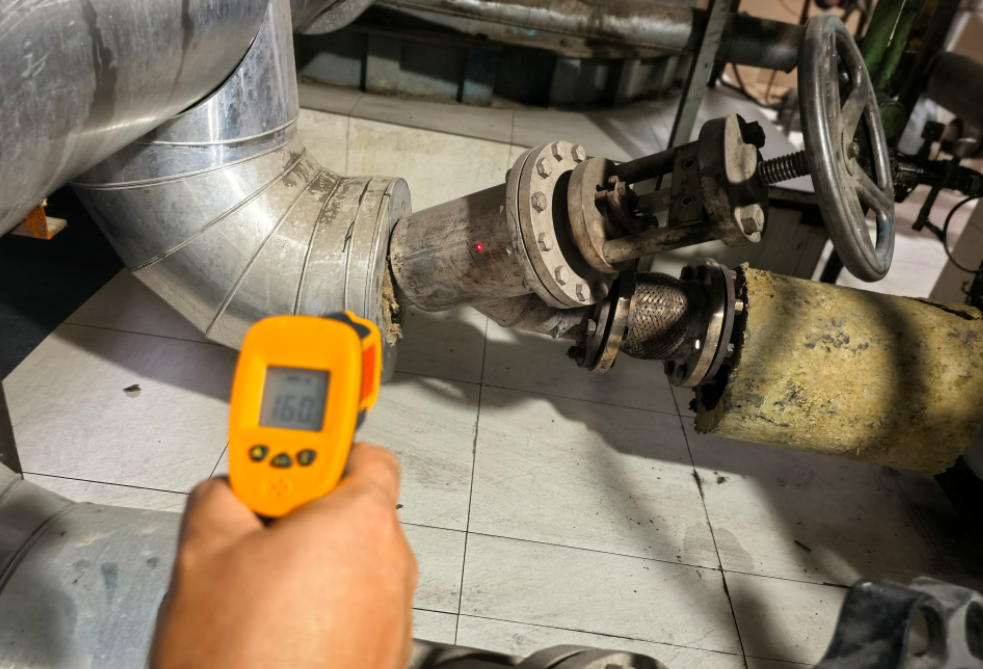
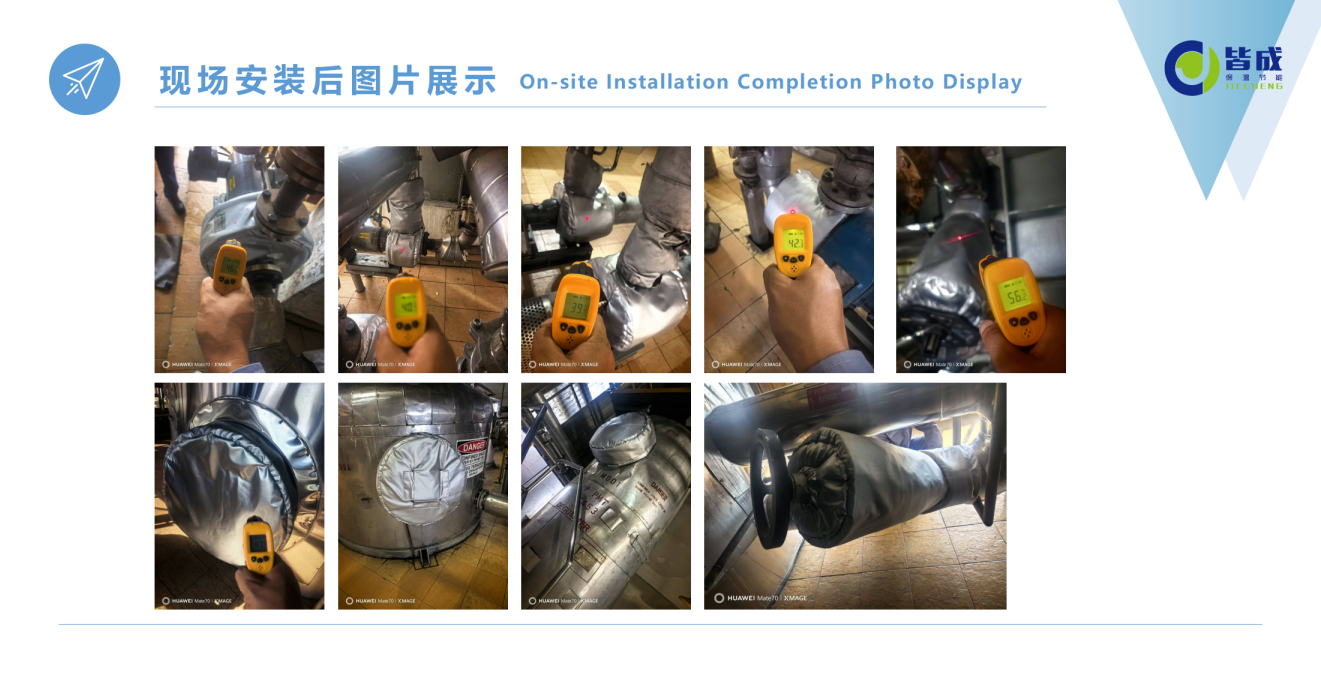
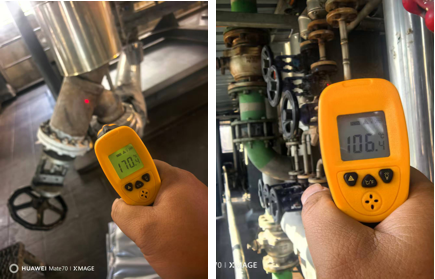
Currently, the attached images of the Insulation Sleeves are based on on-site feedback from visiting clients at this workshop. The exposed valves operate at an internal working temperature of up to 170℃, with the surrounding ambient temperature reaching approximately 70℃—an extremely high level. Notably, a surface temperature of 110℃ far exceeds the human body's tolerance limit, posing a significant scald risk to on-site operators. Meanwhile, the elevated ambient temperature around the equipment may compromise working comfort and reduce production efficiency. High temperatures directly translate to substantial heat energy dissipation, meaning the energy consumed during equipment operation is not effectively utilized in the production process but wasted as heat. Long-term operation will inevitably drive up energy costs. Furthermore, sustained high temperatures can accelerate the aging and wear of equipment components such as outer cladding materials and seals, increasing the likelihood of equipment failures and maintenance frequency, which indirectly raises production and operational costs.?
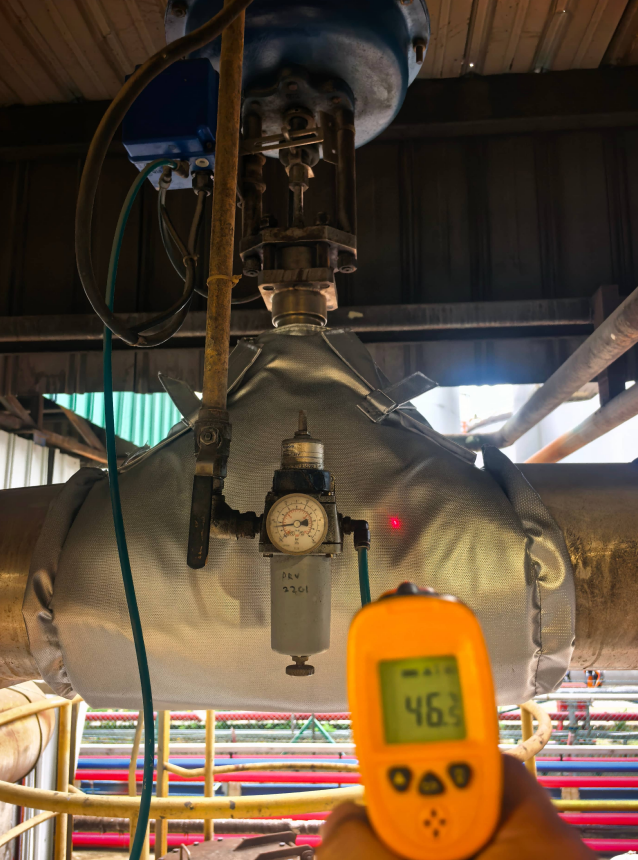
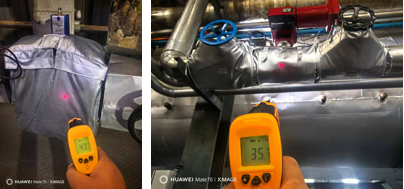
To accurately evaluate the actual energy-saving value of the Equipment Insulation sleeves, this test adopts the "before-and-after comparison method": Under the premise that the equipment operating conditions (working temperature, load, ambient temperature) are completely consistent, professional instruments such as high-precision temperature sensors, heat flux meters, and electric energy meters are used to monitor the equipment surface temperature and heat dissipation loss respectively before and after the installation of insulation sleeves. Taking the insulation sleeve images provided by visiting clients based on on-site feedback as an example: In this test scenario, when the equipment valves were not equipped with insulation sleeves, their high-temperature surfaces continuously dissipated heat to the outside, resulting in a working temperature of up to 170℃; after installing the insulation sleeves, heat energy dissipation was effectively blocked, and the ambient temperature around the equipment directly dropped to approximately 40℃. —— After installing insulation sleeves on the equipment pipes and valves, the temperature was significantly reduced to around 40℃, successfully meeting the standard for the equipment's normal operating temperature. The insulation measures have achieved remarkable results and effectively ensured the stable operation of the equipment.?
 ? ?
? ?
Insulation is implemented using a 25?mm nanogel + high-density glass fiber blanket solution. The parameters and advantages of the nanogel Insulation Blanket are as follows: Thermal conductivity: 0.036?W/(m·K) Density: 200?kg/m3 Hydrophobicity: ≥99% Compressive strength (25% deformation): ≥80?kPa It has excellent seismic and tensile resistance, and during use, it does not experience particle accumulation or settlement. Simulated 20-year testing shows a shrinkage rate of less than 1% and no change in thermal conductivity.?